Lacey's Family Is Killed
The Passage (Justin Cronin Edition)Lacey's family is killed in Sierra Leone by soldiers, a childhood catastrophe whose memory is sealed off from her and disclosed to the reader only later. Its consequences surface in the present through Lacey's fragmented recollections and her fierce response to danger surrounding Amy.
The Killing and Its Aftermath
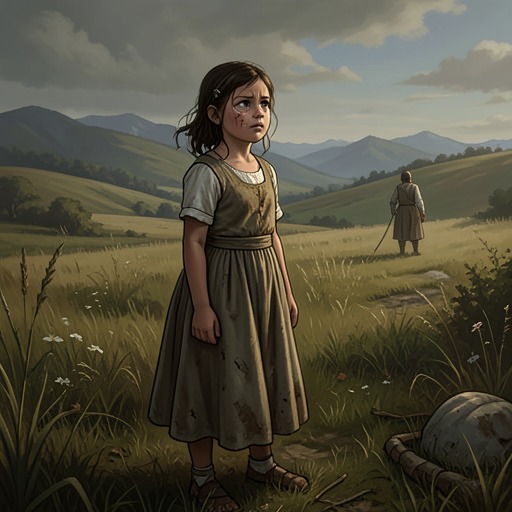
The account comes through Sister Arnette's recollection of a psychiatric report forwarded by the superior general. Lacey had been found hiding in a field by United Nations peacekeepers, who turned her over to the sisters. The soldiers had killed her family and remained with Lacey for hours; she was left for dead. Arnette understands Lacey's survival and loss of memory through her own religious framework, calling the forgetting a form of divine mercy.
Lacey never tells the sisters what happened. She continues to believe that her parents and sisters are alive in Sierra Leone, attending palace balls and riding polo ponies. Arnette recognizes that this account is not simply an invented explanation: Lacey has not spoken otherwise since she was found, and the full history has remained hidden from the other sisters. Her silence preserves a life she can bear to inhabit, while leaving Arnette alone with the knowledge and worry.
Trauma Returning in the Present
The event is recalled rather than narrated as a complete scene. Later, as Lacey runs through the zoo with Amy, its sounds overwhelm her: animal calls seem to become the gunfire of the field, and she hears again her mother's warning to run. The present crisis therefore opens a route back to the buried childhood danger. Lacey connects the threat to Amy with the dark man she senses pursuing the girl, and with the field where she herself had once been left.
The recollection remains divided between what happened to Lacey's body and what she can consciously remember. She recalls having sent her mind away from herself and imagined a protective warmth around the world. The passage does not restore the entire memory or show Lacey learning Arnette's account; instead, the past presses into the present through sounds, fear, and the danger she perceives around Amy.
Protection, Secrecy, and Consequence
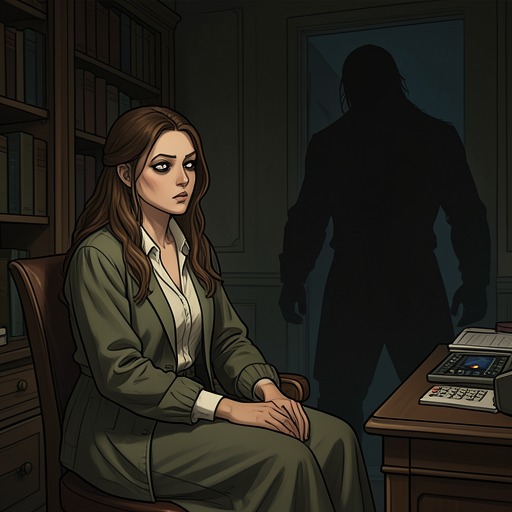
Lacey's hidden history complicates Sister Arnette's first judgment of her. Arnette had considered Lacey a model sister, if unusually self-contained and mystical, and had interpreted her account of her family as part of the protection afforded by forgetfulness. When Amy appears and Lacey's explanation for caring for her seems implausible, Arnette recognizes that the story is a lie—but does not know the full history behind Lacey's silence.
In the zoo, Lacey's response to the sensed threat is immediate: she keeps Amy close and searches through the panicked crowd for an exit. Her past does not make her account of the danger objectively certain, but it gives the scene its force: the child once abandoned in a field is now trying to keep another child from being taken there. The killing thus remains a concealed event with continuing consequences, shaping Lacey's protective bond with Amy and the novel's presentation of trauma as something that returns indirectly rather than as a settled recollection.